

spontaneously-born beings : ค้นหาหนังสือธรรมะ หน้า 17 / 32
หน้าหนังสือทั้งหมด
19
The Path to World Peace through Meditation
To create world peace by allowing one's mind to reach inner happiness first, according to the practice called meditation, is what we ought to do. It is what each and every single person should be conc
Creating world peace starts with achieving inner happiness through meditation. Regardless of cultural or religious backgrounds, meditation serves as a universal practice to improve mental clarity and
5
Dedication of the Phongsawasdi Family
Dedication
May every family that reads this book, have happiness, success, and the resolve to always perform good deeds.
We dedicate the merits accrued through every written word in this book, to ou
This dedication expresses heartfelt wishes for happiness and success for families reading the book. It honors the memory of ancestors Soon and Huay Phongsawasdi and all family members who have passed
6
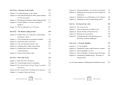
Creating Harmony and Understanding in Family and Society
Part Three ~ Harmony in the Family 157
Chapter 15 Creating Harmony in the Family 159
Chapter 16 What Should Parents Do When Their Children Do Not Get Along? 165
Chapter 17 Remedying the Situation When
This section explores vital aspects of family dynamics, including creating harmony, handling sibling conflicts, and instilling compassion in children toward vulnerable relatives. It further delves int
15
The Path of Self-Training and Endurance
Those who have full knowledge, ability and goodness must follow only this path in order to train themselves to keep up with the world and its people, and not surrender to defilements.
Surely, if you
This text discusses the necessity of self-training and mind control in overcoming bad habits and the challenges of life. It emphasizes the importance of endurance in dealing with natural hardships, ph
44
Understanding Kamma: The Interconnection of Actions and Consequences
A senior monk once discussed kamma:
"The word kamma is a neutral word that does not imply
good or bad since kamma means action. An action always
carries a consequence. Why do we feel full? It is becau
This text delves into the concept of kamma, explaining it as a neutral term encompassing all forms of action that yield consequences. The author draws parallels between the law of physics and the Law
46
The Teachings of the Lord Buddha on Life and Rebirth
The Lord Buddha taught that:
1. It is not the end of all things when we die.
2. When you perform good deeds you will go to Heaven.
3. When you perform bad deeds you will go to hell.
4. When you exting
The Lord Buddha emphasizes that death is not the end. Good deeds lead to Heaven, while bad deeds lead to hell. Purifying the mind by eliminating kilesa is vital for reaching Nibbana. Through good deed
48
The Fable of Teaching Your Unborn Child
Chinese people understood this well. They even have a fable called "Teaching your Unborn Child" that has been retold continually since ancient times.
During the Cheng Meng Season (a Chinese tradition
This story emphasizes the importance of teaching good virtues even before a child is born, illustrated by the actions of two sisters during the Cheng Meng Season. When they find a bag of money, the ol
54
Raising Smart and Virtuous Children
utilize the four requisites, how they work, and how they
conduct their daily activities.
Parents can instill wholesomeness, intelligence, and
compassion towards others by teaching their children resp
This text discusses the importance of teaching children the four requisites—respect, discipline, and endurance. It emphasizes the balance between worldly wisdom and Dhamma wisdom, highlighting how bot
56
Teaching Children the Importance of Care and Endurance
2) If they do not keep the second Precept (No stealing)
then: They might engage in corruption.
3) If they do not keep the third Precept (No sexual misconduct) then: They might engage in prostitution.
จากการไม่ปฏิบัติตามศีลห้าของพุทธศาสนา เช่น การไม่ขโมย การประพฤติผิด การโกหก และการใช้สารเสพติด จะนำไปสู่ผลเสียต่างๆ ได้แก่ การทุจริต การค้าประเวณี และการทำผิดกฎหมาย ร่วมกับการสู้ชีวิตเพื่อเรียนรู้การด
117
Gratitude and Human Potential
If you had the attributes of a monkey, made sounds like a monkey, and lived in the forest, you would not be able to perform any good deeds. You would only be as clever as a monkey, and be a monkey lea
เนื้อหาเน้นความสำคัญของการมีความกตัญญูต่อผู้ปกครองและเข้าใจศักยภาพของมนุษย์เมื่อเปรียบเทียบกับลักษณะของสัตว์ เช่น ลิงและเต่า การรู้จักคุณค่าของการเป็นมนุษย์จะช่วยให้เราตระหนักถึงการกระทำที่ดีและผลกระท
119
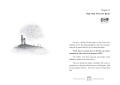
Dad, Why Were We Born?
Chapter 27
Dad, Why Were We Born?
One day, a family invited guests to their home for a religious rite for the great-grandparent. After the ceremony, when all the guests had left, the son asked the fa
ในบทนี้ มีการพูดคุยกันระหว่างพ่อกับลูกเกี่ยวกับความหมายของชีวิตและการตาย หลังจากพิธีกรรมทางศาสนา ลูกถามพ่อเกี่ยวกับจุดประสงค์ของชีวิต และพ่ออธิบายถึงความรู้ที่ได้รับเกี่ยวกับพุทธศาสนา ว่าทุกคนล้วนตั้ง
2
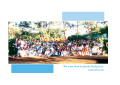
We were born to pursue Perfection.
เราเกิดมาสร้างมรรคัม
40
Understanding Dhammakāya in Aṅgāṇā-sutta
In brief, contemporary academics refer to the term dhammakāya in the Aṅgāṇā-sutta either as a noun or an adjective. As a noun, the term is interpreted mostly as the Buddha’s teachings collected togeth
The term dhammakāya is interpreted in contemporary academia as both a noun and an adjective. As a noun, it denotes the Buddha’s teachings, while as an adjective, it refers to the nature of the Tathāga
58
Understanding the Concept of Body and Collection in Dhamma
Functionally, however, both terms seem to imply a different relationship between individual members and the ‘totality’ of the whole ‘body’ or ‘collection.’ As a ‘body,’ the ‘totality’ of the whole org
This text analyzes the distinctions between the terms 'body' and 'collection' within the framework of Dhamma, particularly focusing on functional dependence. It argues that while a 'body' maintains es
68
Dhammakāya and Noble Disciples
VI. Reference 3: Dhammakāya and Noble Disciples
Besides the term’s relation to the Buddha and Paccekabuddhas, a Pāli canonical reference mentions also the relation of dhammakāya with noble disciples.
In the context of Pāli texts, the term dhammakāya is linked to noble disciples as evidenced in the story of Gotamī, the great nun and Buddha's foster mother. As she approaches her passing, Gotamī refl
121
The Influence of An Shigao on Mindfulness Breathing Meditation in Eastern Han China
In this paper I explore the connections between An Shigao and the introduction of the Indian Buddhist meditation technique of mindfulness breathing meditation, or ānāpānasmṛti, into Eastern Han China.
This paper examines An Shigao's role in introducing the Indian mindfulness breathing meditation technique, ānāpānasmṛti, into Eastern Han China. The phrase「息中具有四大。 而心在中」suggests that the mind should f
105
Understanding Your Foundations and Spiritual Growth
7 This is very important because it is the place where you were born.
If you go to different foundations, start from foundation 7 to 6, 5, 4, 3, 2, 1 and then go to the new one. If you do not, you wil
This text discusses the significance of foundational stages in personal growth, emphasizing starting from foundation 7 down to 1 before moving onward. It highlights the connection between physical wel
13
The Story of the Buddha and Thevadas
among Buddhists, is a story of the Buddha from Dusit realm, who visited the earth as Siddhata, the royal son of King Suddhothana and Queen Maya.
The most quoted story of Buddhism concerns goddess M
The text narrates the story of the Buddha's earthly life as Siddhata, son of King Suddhothana and Queen Maya, and the roles of the goddess Mekkhala and the Bodhisatta. It depicts the themes of moralit
21
การเข้าใจกรรมดีและกรรมไม่ดีในชีวิต
อันเป็นเหตุดีต่อไปนั้นมั่นคงมั่งเสมอ
ธรรมะภาษาอังกฤษ 19 : Those who sow the wind will reap the whirlwind
Those who enjoy the fruits of good kamma in the previous existence such as to be born in no
ในบทนี้กล่าวถึงเรื่องกรรมดีและกรรมไม่ดี โดยชี้ให้เห็นว่าผลของกรรมดีที่ได้กระทำจะส่งผลต่อชีวิตในปัจจุบันและอนาคต เช่น การเกิดในครอบครัวที่ดี มีความร่ำรวย สุขภาพดี และอายุยืน เราควรทำความดีอย่างต่อเนื่อ
250
A Comprehensive Look at Buddhist Literature and Philosophy
Crosby, Kate et.al. “The Sutta on Understanding Death in the Transmission of Born Meditation From Siam to the Kandyan Court,” in Journal of Indian Philosophy, 40.
Crosby, Kate. 2000. “Tantric Theravā
This collection presents an array of scholarly works focused on the literature and teachings of Buddhism. It includes analyses of the Sutta on Understanding Death, Tantric Theravāda writings, and the